CCTV installation is one of the most effective ways to reduce theft, improve safety, and protect both homes and businesses. With the right CCTV systems in place, you gain peace of mind knowing your property, employees, customers, and assets are being monitored and safeguarded around the clock. Find out more about reducing theft and risk with CCTV installation, and why many businesses now see CCTV as an essential part of their wider security measures.
CCTV plays a pivotal role in helping a business owner reduce the risk of theft, vandalism, trespassing, burglary, anti-social behaviour, and other security threats. Whether you run retail stores, an office, warehouses, construction sites, or other facilities, installing CCTV can provide a visible presence that helps deter criminals and protect your premises.
How CCTV Helps Prevent Theft
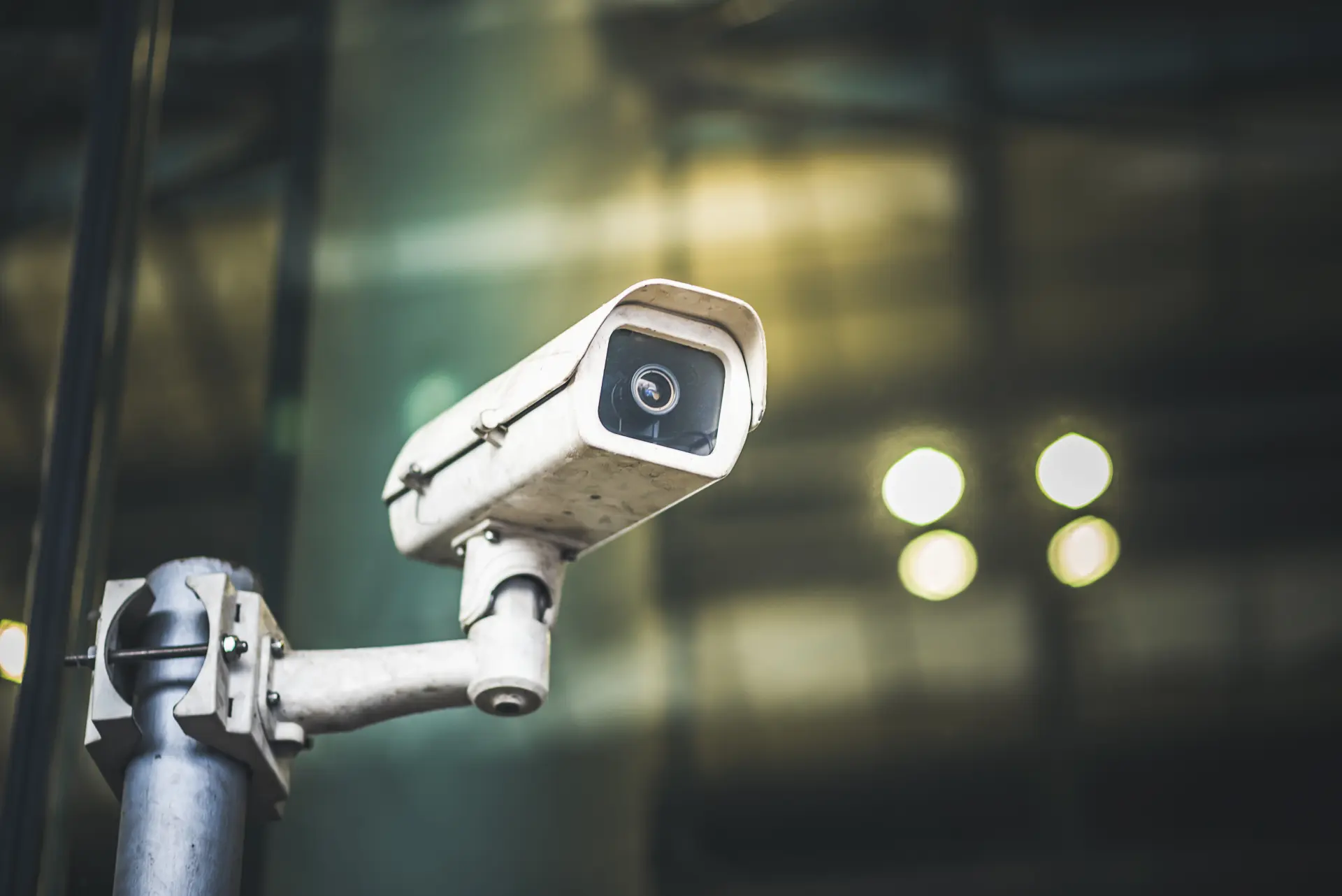
CCTV plays an essential role in theft prevention by monitoring entrances, exits, car parks, parking lots, storage areas, loading docks, and other vulnerable areas. The presence of cameras alone can discourage opportunistic criminals who would rather avoid being recorded. Modern CCTV systems can also capture high-resolution video, clear footage, and high-quality footage that makes it easier to identify suspicious activity before incidents escalate into larger problems.
For homeowners, this means valuable belongings such as vehicles, bicycles, or garden equipment are better protected. For businesses, CCTV ensures stock, equipment, cash, sensitive information, and data remain secure. By constantly monitoring activity, CCTV is one of the most reliable ways to reduce losses and keep both private and commercial properties safe from criminal activity. In many cases, just having CCTV cameras installed can dramatically lower the number of attempted theft cases.
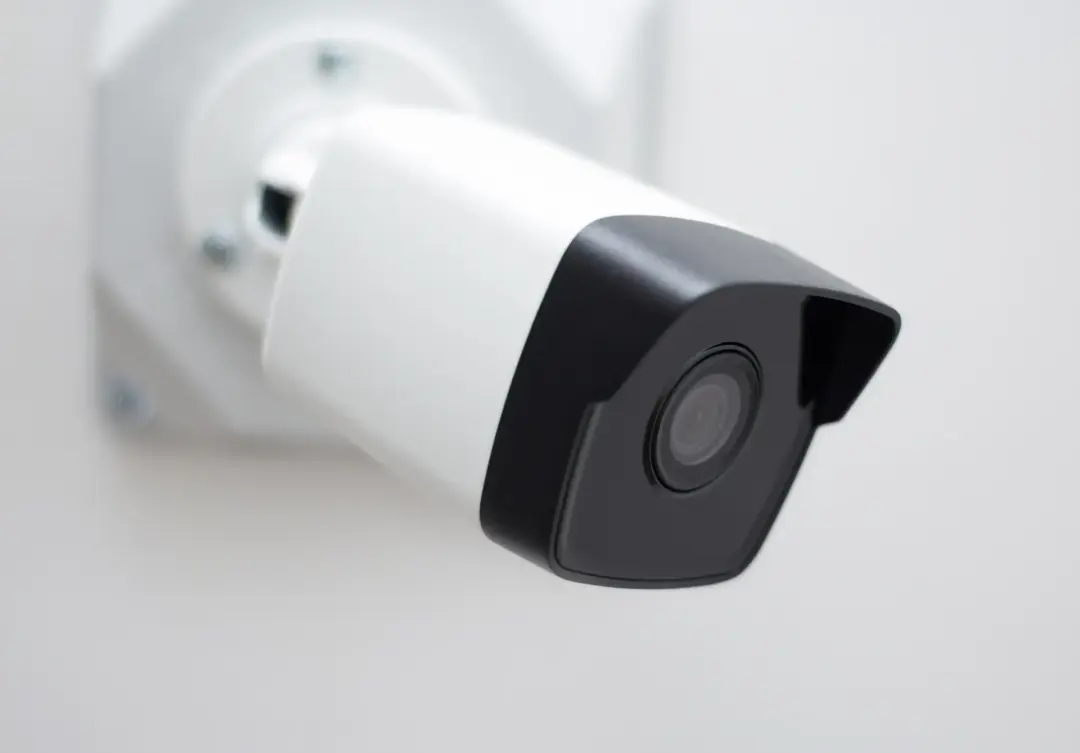
The mere presence of security cameras can act as a significant deterrent. Potential thieves, potential shoplifters, vandals, and other potential criminals are less likely to target a property where they know their actions may be recorded. This deterrent effect is one of the key benefits of CCTV, as it can prevent crime before it happens rather than only helping after an unfortunate event.
The Deterrent Effect of Visible Cameras
Visible CCTV cameras are a strong deterrent to would-be offenders. Criminals are far less likely to target a property if they believe their actions will be captured on video. This applies to both outdoor and indoor environments, where the knowledge of being monitored helps to reduce theft, vandalism, and anti-social behaviour in general.
In addition to discouraging external threats, CCTV surveillance can also improve accountability among staff members, employees, customers, visitors, and contractors. Knowing that activity is being recorded encourages better behaviour and helps create a safe environment for everyone on the premises. For many businesses, this added level of oversight leads to fewer incidents, stronger trust from customers, and a more positive reputation overall.

CCTV can also help prevent internal theft, employee theft, employee misconduct, and internal misconduct. While most employees act responsibly, some businesses struggle with loss, misuse of materials, or disputes about what happened during a shift. CCTV footage can provide valuable evidence, support investigations, and help managers address concerns fairly. Used properly, CCTV surveillance systems can also foster trust by showing that company policies are being followed and that everyone is treated consistently.
Improving Staff and Customer Safety with CCTV
CCTV is not only about preventing theft. It also plays a major role in improving safety for both employees and customers. In workplaces, cameras can monitor entrances, car parks, storage areas, and high-traffic areas, providing staff with reassurance that their well-being is a priority. For customers, a visible CCTV system helps to build confidence in the business and reduces the likelihood of disruptive behaviour taking place on site.
Retailers, hospitality venues, offices, and other public-facing companies benefit greatly from this added layer of safety. By recording footage and providing real-time monitoring, CCTV ensures incidents can be dealt with quickly and efficiently. This level of oversight not only improves security but also supports workplace safety, employee safety, and a better customer experience.
CCTV also helps security teams, security personnel, security guards, and managers respond to emergencies. If accidents occur, if harassment is reported, or if serious incidents take place, video evidence can help identify what happened. This can support safety compliance, insurance claims, and court cases where needed. In this way, CCTV becomes more than a crime prevention tool. It becomes part of a responsible approach to protecting people.
Monitoring High-Risk Areas in Real Time
Some locations are more vulnerable to crime and safety issues than others. Car parks, stockrooms, cash handling points, entrances, exits, and sensitive areas often require monitoring. CCTV monitoring proves essential in these areas because it allows property owners to respond immediately to suspicious activity, emergencies, or potential hazards. This rapid response often prevents damage, theft, or the escalation of security incidents.
Advancements in technology mean many CCTV systems now provide instant mobile alerts, real-time monitoring, remote monitoring, and remote viewing through a smartphone or computer. Remote monitoring capabilities allow owners and managers to monitor high-risk zones from anywhere, even when they are away from the site. This ability provides peace of mind and helps ensure threats are addressed quickly.
Having this level of control gives greater protection for businesses and households. It helps prevent problems before they turn into serious incidents. Combined with security patrols, alarm systems, and access control systems, CCTV gives complete oversight of areas that require extra attention.
Strategic Camera Placement for Maximum Effectiveness
Strategic camera placement is crucial for maximum effectiveness. Even the best CCTV cameras will struggle to protect a property if they are placed in the wrong locations. A proper review of the layout should determine where to position cameras so they can capture activity clearly and cover the most important areas. Entrances, exits, tills, stockrooms, loading areas, reception desks, office corridors, and parking areas are common places to consider.
Camera placement should also account for lighting conditions, visibility, blind spots, and the field of view. Night vision may be needed in darker areas, while additional cameras may be required for larger sites. Cameras strategically placed around a business can improve coverage, reduce the chance of missed incidents, and help ensure clear footage is available if an event occurs.
Every property has specific circumstances and specific security needs. A small shop may need cameras around the store entrance, till, and aisles to prevent shoplifting. Larger operations may need CCTV solutions that cover offices, warehouses, yards, and delivery areas. The best fit will depend on the size of the premises, the level of risk, and the types of activity taking place.

CCTV as Part of a Wider Security System
CCTV works best when it forms part of a robust security system. Integrating CCTV with other security systems, alarm systems, access control systems, and software can create a more complete security solution. For example, if an alarm is triggered, cameras can help security teams check what is happening in real time. If access is denied at a secure door, CCTV footage can help identify who was attempting to enter.
Modern surveillance systems can also offer automated responses, alerts, and improved search tools that make it easier to review recorded footage. This integration can save time, reduce downtime, and provide better support for investigations. It also helps businesses implement a proactive approach rather than relying only on reactive measures after incidents occur.
CCTV surveillance systems are now available in many different types, including wired systems, wireless systems, and systems with advanced features such as motion alerts, night vision, higher resolution, and remote monitoring capabilities. These features can improve overall security and help businesses respond quickly to potential threats.
Reducing Financial Losses and Protecting Assets
Theft, vandalism, shoplifting, burglary, damage, and employee misconduct can lead to significant financial losses. A well-maintained CCTV system helps reduce such risks by acting as a deterrent and providing valuable evidence when incidents occur. This can help identify suspects, support police investigations, and increase the chance of justice or conviction.
For retailers, CCTV can prevent shoplifting, protect inventory, and support retail security procedures. In retail environments, CCTV cameras can also help managers understand customer behaviour, improve the layout of the shop, and identify operational challenges. This can improve decision-making while still keeping safety and security as the main focus.
CCTV can also support insurance claims by documenting damage, theft, accidents, or disputes. Clear footage can demonstrate what happened, when it happened, and who was involved. In some cases, recorded footage can make the difference between a claim being accepted or disputed.
Supporting Workplace Safety and Productivity
CCTV can improve safety and productivity when used responsibly. In a workplace, cameras can help monitor staff activity in shared areas, identify unsafe procedures, and reveal potential hazards before they cause accidents. This can be especially helpful in warehouses, construction sites, offices, and other busy work environments where people, equipment, and materials move throughout the day.
CCTV can also support employee productivity by helping managers spot inefficiencies, improve processes, and address operational challenges. However, it is important to use CCTV fairly and transparently. Employees should understand the purpose of using CCTV, where cameras are placed, and how footage will be handled. When used correctly, CCTV helps staff feel valued because it shows the business is taking responsibility for their safety.

A clear policy can help avoid concerns about privacy or misuse. Businesses should explain why CCTV is needed, how long footage is stored, who can access it, and how it will be used. This transparency supports compliance and helps maintain trust between staff, managers, and owners.
Data Protection and Responsible Use
Data protection is an important part of implementing CCTV in the UK. Businesses must ensure that CCTV footage is handled carefully, stored securely, and only accessed by responsible personnel when there is a valid reason. This is especially important when cameras capture employees, customers, visitors, or members of the public.
Storage capacity should also be considered before installing CCTV. Some systems keep footage for a short time, while others allow longer storage depending on the needs of the business. The right choice will depend on the type of premises, the level of risk, the number of cameras, and the importance of keeping evidence for investigations.
Responsible CCTV use also means avoiding unnecessary monitoring in private areas. Cameras should be placed where they have a clear security purpose. Sensitive areas should be treated with care, and signs should be used to let people know CCTV is in operation. This helps create a balance between protection, privacy, and trust.
Choosing the Right CCTV Solution
Investing in CCTV is an important decision, and the right solution should be designed around the property and its security challenges. A professional installation can help determine the number of cameras needed, the best locations, the right storage options, and the most suitable features. This helps ensure optimal performance and long-term effectiveness.
The cost of CCTV can vary depending on the scale of the site, the number of cameras, the quality of the systems, and whether integration with alarm systems or access control is needed. However, CCTV is often a cost-effective alternative when compared with the potential losses caused by theft, damage, disruption, or crime.
Many providers offer a free consultation to discuss specific security needs and recommend a system that is fit for purpose. This can help business owners make informed choices and avoid putting cameras in places where they will not provide useful coverage.
The Wider Benefits of CCTV
The benefits of CCTV go beyond security alone. CCTV can help protect property, safeguard assets, improve safety, and create confidence for employees and customers. It can also provide reassurance to owners who cannot always be present on site. Knowing that a property is being watched and that footage is available if needed can provide a real sense of peace.
Surveillance cameras can also contribute to operational integrity by supporting fair investigations, reducing disputes, and helping managers understand what happens during daily operations. In retail stores, offices, warehouses, and other business premises, this makes CCTV a vital investment.
CCTV also plays an important role in reducing risks across a wide range of industries. Whether the concern is theft, vandalism, trespassing, workplace accidents, or external threats, CCTV systems provide tools that help businesses prevent, monitor, respond, and improve.
How CCTV Installation Can Reduce Theft and Risk
CCTV installation is a practical and effective way to reduce theft, deter crime, improve safety, and protect a business or home. From visible cameras that deter criminals to modern surveillance systems with remote monitoring and automated responses, CCTV gives property owners better control over their premises.
By choosing the right CCTV systems, placing cameras carefully, ensuring compliance, and integrating CCTV with other security systems, businesses can create a secure environment that protects people, property, and assets. For many businesses, investing in CCTV is not just about recording incidents. It is about preventing problems, supporting staff, protecting customers, and building long-term confidence.
Looking for trusted CCTV installation in Doncaster and the surrounding areas? Romsec Ltd provides advanced CCTV and monitoring systems tailored to your needs, giving you reliable protection, peace of mind, and professional support.